Soap making can be a rewarding and creative pursuit, allowing artisans to craft unique products while exploring their artistic side. One of the most critical components of this process is the soap mold. Proper usage, storage, and maintenance of these molds can significantly impact the quality of your soap and the longevity of the molds themselves. This guide will delve…
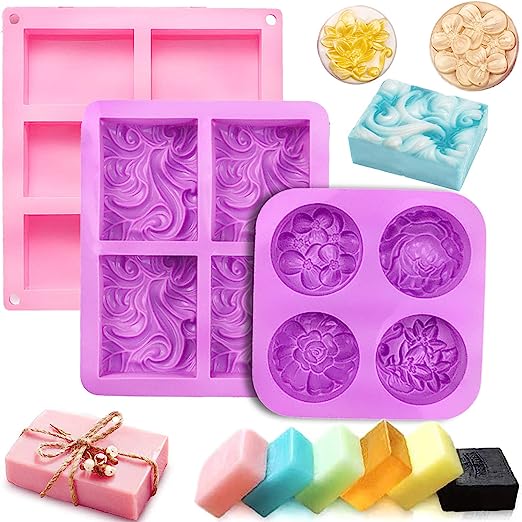
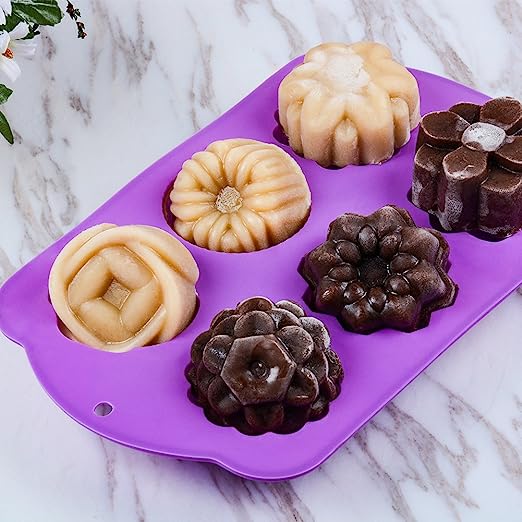
Recommended Soap Molds Soap making can be an exciting hobby or even a profitable business but you wont get very far if you make a batch of soap and have no way to shape and mold it. This is where soap molds come into play. The beauty of soap molds is that there are a wide variety of molds ranging…
Sooner or later, you will come to the point where it seems as if you are waiting forever for your soap to get hard enough to remove from the mold. Most often even after removing it from the mold there is an even longer wait until it gets hard enough to cut hence learning how to harden cold process soap…
Learning how to make soap using the cold process method can be a bit difficult in the beginning, however once you get a hang of things it gets easier until it becomes almost second nature. Sooner or later however you will want to add color to your soaps. Its a valid question as a beginner, how to color cold process…
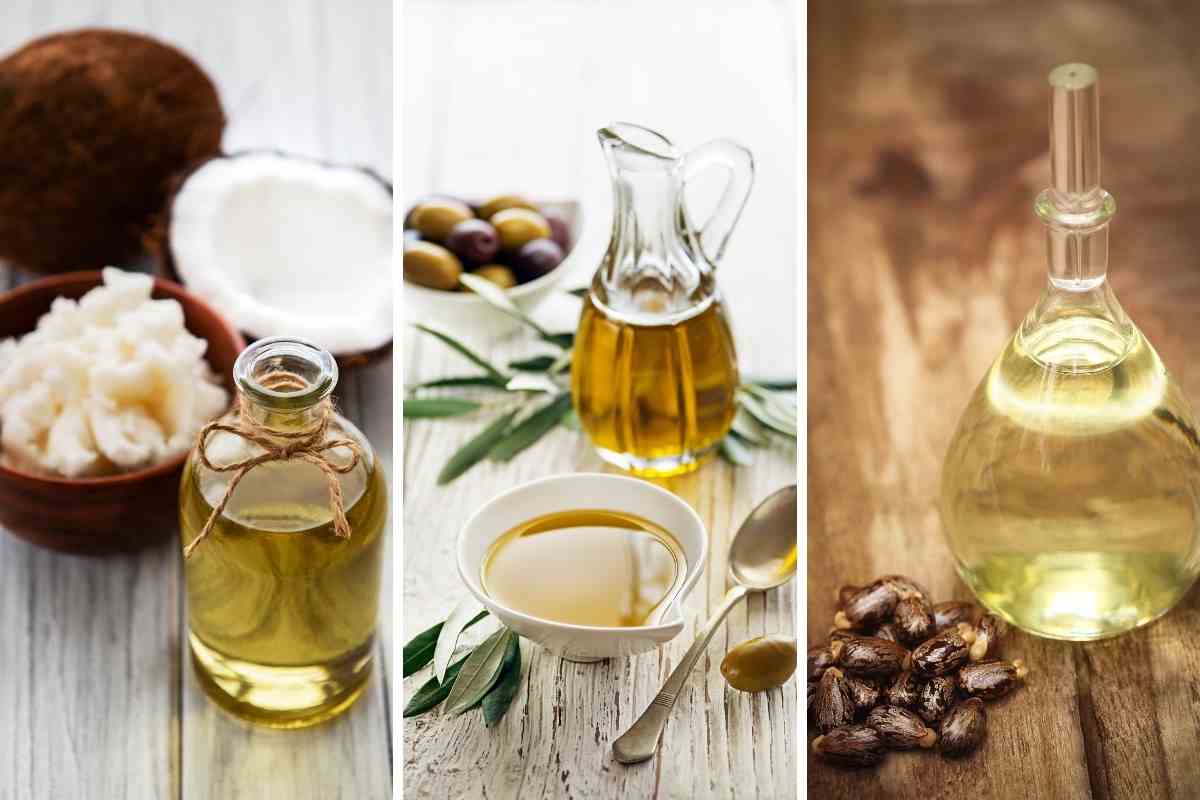
Soap making is an art form that many will find to be rewarding and even therapeutic at times. To get to this state however takes some practice and much patience. The beginner will find it utterly frustrating, and the learning curve can be costly when making mistakes. As you grow you will learn that using various oils help develop different…
Soap making is fairly easy when you know the basic ingredients for cold process soap making. This can be contradictory to what you may have heard, but after making soap for a while you will come to the same conclusion. The simplicity of making soap is so basic that most persons are confused that it doesn’t take much to make…
Soap making is a general term used for… well soap making. It is general because there is more than one way to make soap, in fact there are 5 main soap making methods. When it comes to making soap from scratch for the average person, the 5 main soap making methods are Let’s take a closer look into each method…
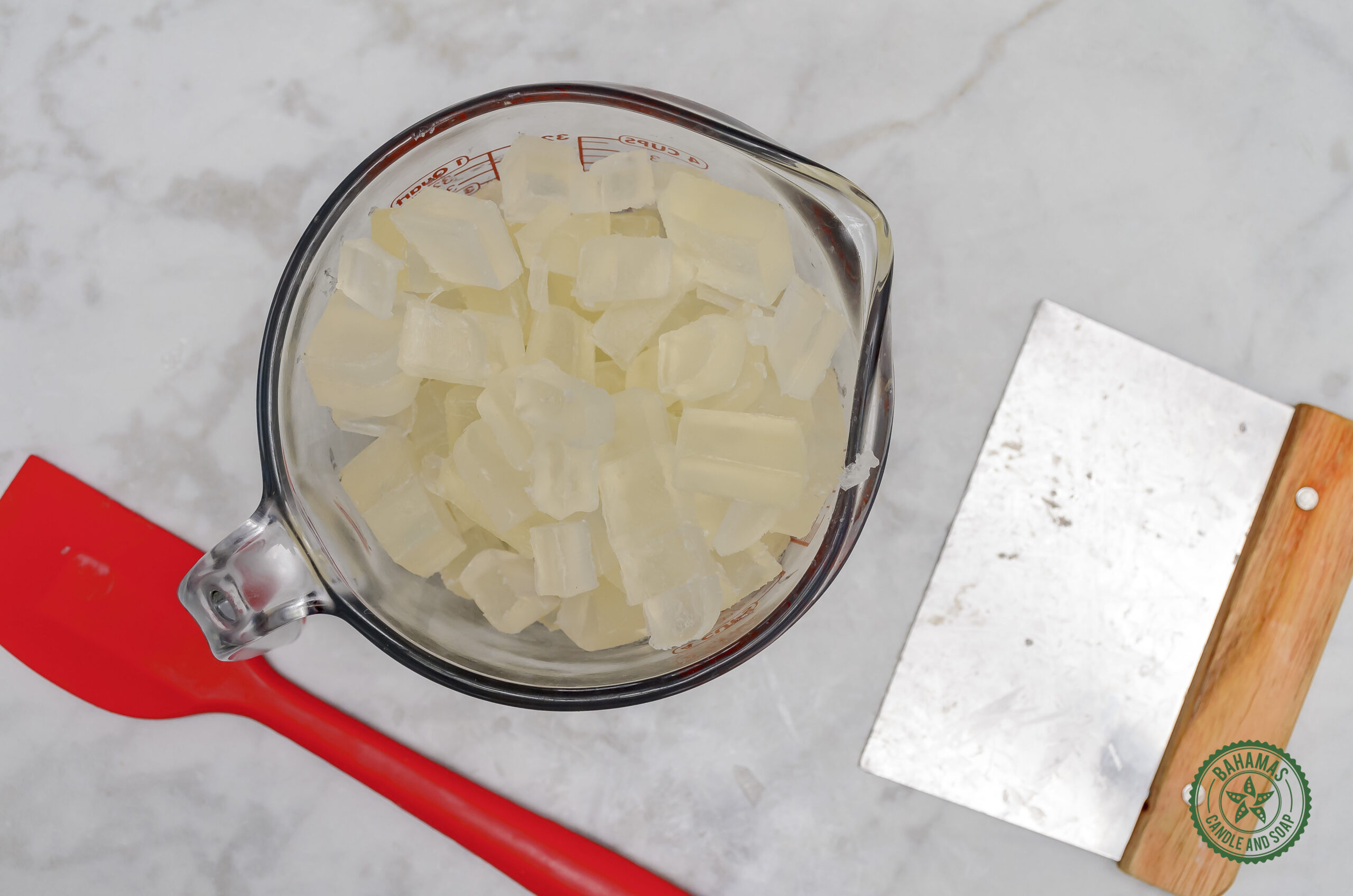
Making melt and pour soap for the first time may seem like a daunting task, however its actually so simple you may be left wondering if you did it right. Soap making using 2 pounds of melt and pour soap requires 6 steps Ingredients needed to make melt and pour soap. Melt and pour is fairly easy to make and…
Making layers in a melt and pour soap makes a great looking and colorful bar of soap. However the layers can separate either when you unmold the soap or while using the soap in the shower. There are a few things to prevent your melt and pour soap separating. There are two main tips to remember to avoid your melt…
Melt and pour soap is fast becoming the go to method for soap making. Its quick and easy and has a low entry barrier, however the question does come up. If it is so easy, is it made from natural ingredients? Melt and pour soap is made from 95% natural ingredients, the other 5% depends on how the lye substance…
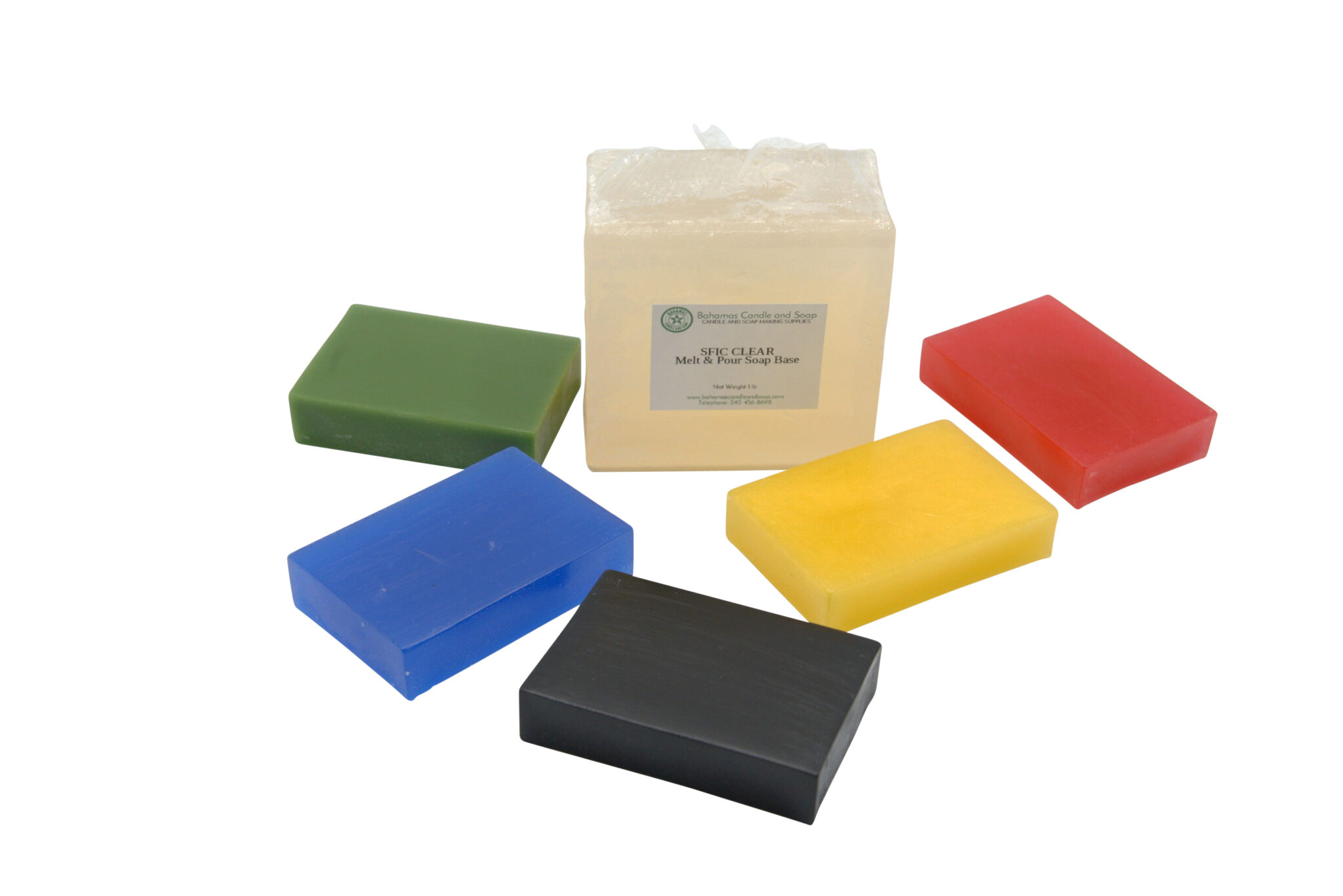
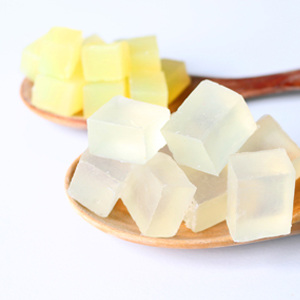
What is melt and pour soap? Melt and pour soap is actual soap that went through the full saponification process to make soap but a few additives were introduced to give the soap the ability to be melted, hardened and remelted and molded. Learn more HERE. The actual technique varies from manufacture to manufacture however the basic ingredients include. Do…
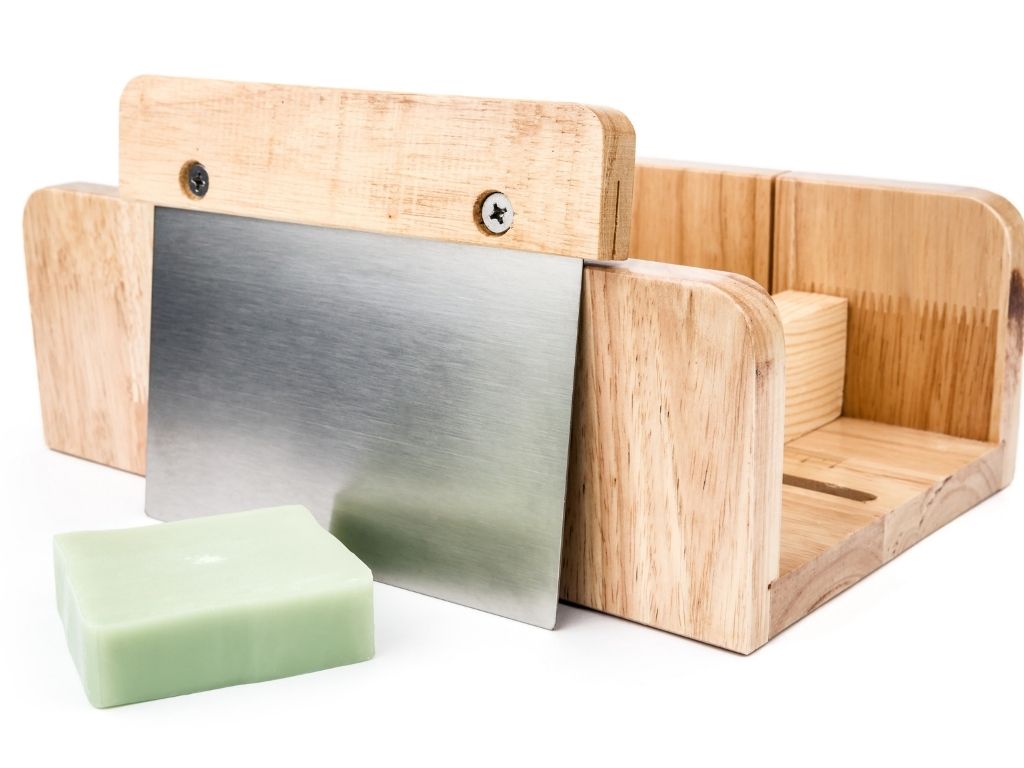
Making melt and pour soap is fairly simple, however there is no substitute for having the right tools for the job. The 6 tools needed to make melt and pour soap are a scale, mold, spatula, double boiler, thermometer and a soap cutter. With these tools and of course your safety equipment like gloves, eyewear and long sleeve shirt making…
Melt and pour soap is by far the easiest way to get in to soap making. The method is in its name, melt and pour. However there are a few problems you may not be aware of when it comes to this method. There are 6 common melt and pour soap problems such as discoloration, burning, sweating, ripple development, mold…
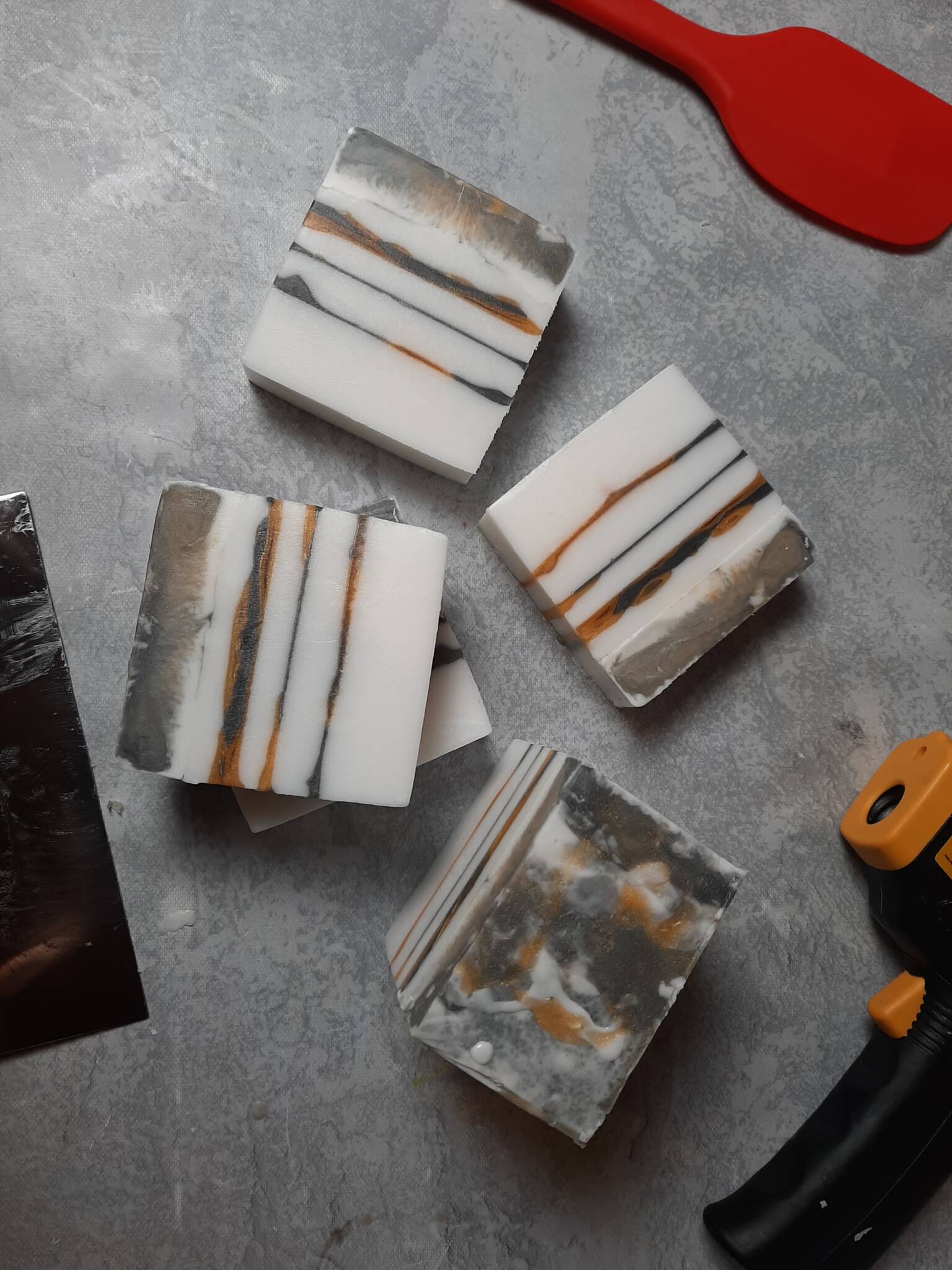
Wood grain soap recipe Wood grain soap is not actually a soap with special properties but a technique used to make the soap look like wood grain. Although the ingredients used can be considered special enought to aide in good skin cleaning and conditionoing it is often over shadowed by the design of the actual soap. Making this type of…
A AdditiveA substance blended with wax to enhance its burning qualities or alter its properties. Additives may include vybar, stearic acid, or UV inhibitor to name a few. AfterglowThe light emitted after removal of an energy source. A wick may tend to “glow” and burn down slightly even after it has been extinguished. B Burn rateThe amount of wax consumed…